Sky Artists: Revealing the Realm of UAV Photography


As the skies become increasingly crowded with unmanned aerial vehicles, the realm of drone photography has blossomed into an exciting field that marries technology, creativity, and skill. Drone Pilots Alvie Inverness-shire , often referred to as sky artists, are pushing the boundaries of aerial imaging, capturing stunning perspectives for industries ranging from housing to environmental monitoring. But beyond the captivating visuals lies a complex world filled with laws, technical hurdles, and a demand for precision that every aspiring drone pilot must navigate.
In this article, we will delve into the intricacies of drone piloting, exploring essential aspects such as FAA regulations, the nuances of drone hardware, and recommended procedures for ensuring safety and compliance. From grasping the necessary documentation needed to navigate controlled airspace to mastering the art of thermal imaging for detecting structural faults, we will uncover the vital knowledge that sets professional drone pilots apart in this rapidly evolving industry. Join us unveil the skills and strategies that contribute to the triumph of sky artists in their quest to depict the world from above.
Steering FAA Guidelines for Drone Operations
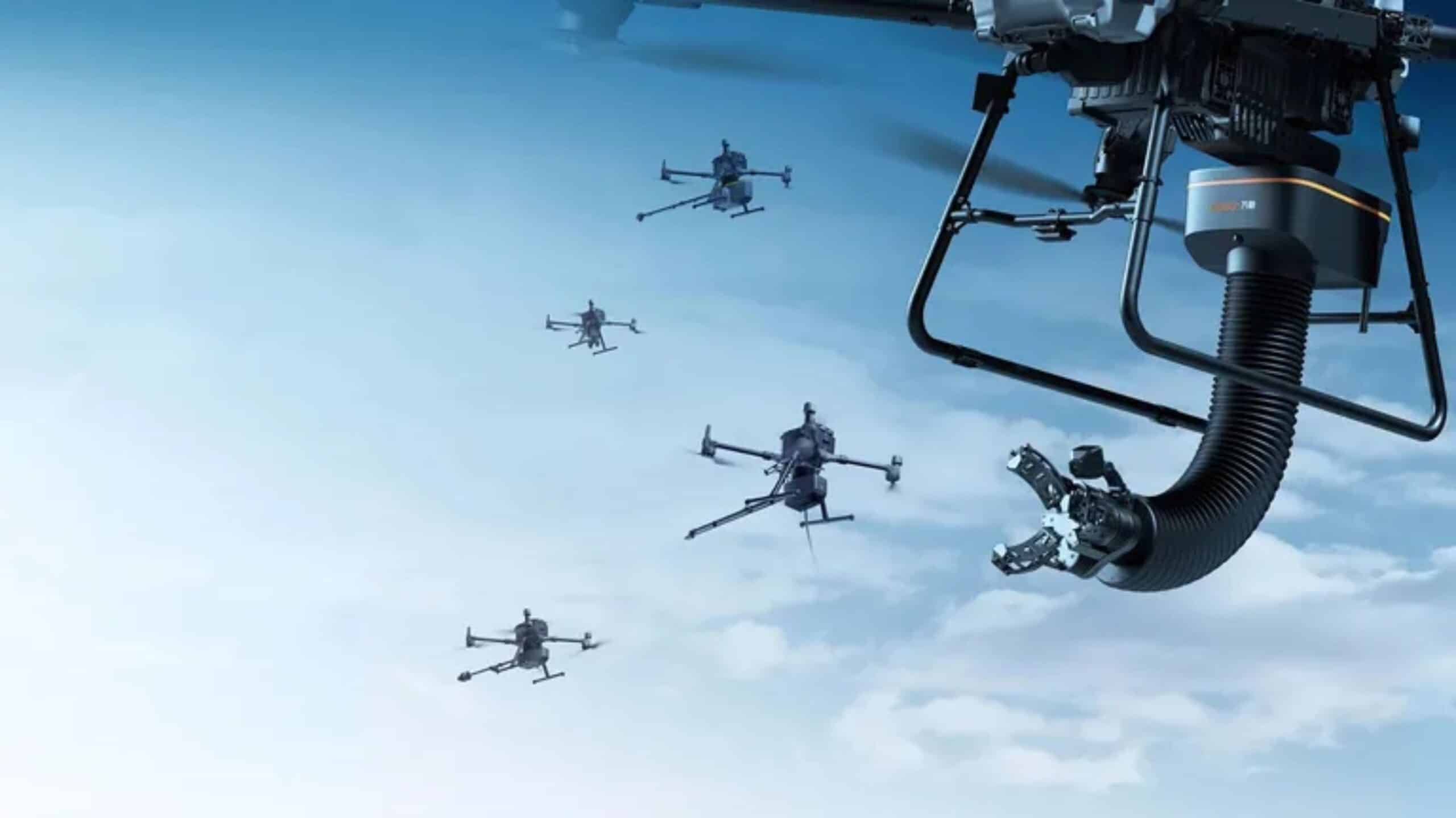
Understanding FAA regulations is vital for every drone pilot, particularly those involved in commercial operations. The FAA Part 107 regulations specify the rules for drone flight, including regulations on flying at night and over people, which often require specific waivers. Pilots must manage the waiver application procedure carefully to ensure conformity. Familiarizing oneself with these regulations also fosters safe flying practices but also bolsters a pilot's standing and integrity in the expanding drone industry.
Moreover, before operating in controlled airspace, drone pilots are necessitated to obtain necessary clearances through the Low Altitude Authorization and Notification Capability, or LAANC. This system streamlines the process of receiving real-time airspace authorizations and makes it crucial for pilots to keep their LAANC applications organized. Detailed documentation and a strong understanding of LAANC aid ease the way for safe operations, ensuring pilots can dedicate themselves to capturing stunning images from the sky rather than getting bogged down by regulatory hurdles.
In addition to the need for waivers and clearances, grasping technical aspects of drone operations is necessary for compliance and safety. For instance, considerations such as magnetic interference can significantly impact navigation systems like the compass and the Inertial Measurement Unit (IMU), which are vital for maintaining stable flight. Drone pilots must be cognizant of these technical requirements and periodically calibrate their drones to steer clear of potential hazards. Keeping informed about such details not only contributes to safer flying but also shows a pilot's commitment to professionalism in their commercial projects.
Technological Factors in Drone Imaging
When participating in UAV photography, understanding Federal Aviation Administration regulations is crucial for both safety and legality. UAV pilots must address Federal Aviation Administration Part 107 waivers, notably for special operations like after-dark flying and flying over individuals. Knowing how to effectively apply for these waivers ensures conformity with the law while expanding one's operational options. Additionally, familiarity with the specific requirements needed to clear controlled airspace via the LAANC system streamlines the process, helping pilots to prepare flights that require altitude access in restricted areas.
Tuning is paramount for optimal drone performance. Pilots should be mindful of how magnetic interference can disturb the drone's compass and Inertial Measurement Unit. Regular checks and calibrations can lessen these effects, ensuring correctness in navigation and data collection. Additionally, grasping the difference between physical and digital shutters plays a important role in UAV mapping and photography. Both types of shutter can impact image quality, so choosing the appropriate one based on the capturing conditions is necessary for high-quality imaging.
Preserving the functionality of your equipment is an additional technical consideration that should not be ignored. Regular maintenance of camera sensors and gimbal bearings can prevent image distortion and ensure fluid operation. UAV pilots should also keep an eye on battery health, as performance can drop over time, impacting flight time and safety. Staying mindful of battery health and scheduling timely inspections is crucial to ensure dependability in keeping your drone airborne and collecting stunning visuals uninterrupted break.
Safety and Upkeep Practices for Unmanned Aerial Vehicles
To guarantee secure operations, drone pilots must adhere to strict maintenance routines that include regular inspections of critical components. This includes examining the propellers for nicks or cracks, making sure the battery terminals are clean and free from corrosion, and checking the gimbal and camera integrity. Drone Pilots Cawdor Inverness-shire of the drone's compass and IMU is also vital, especially when flying in unfamiliar locations where magnetic disturbance can affect navigation. By creating a preventive maintenance schedule, pilots can significantly reduce risks associated with mechanical failures during operation.
Another key aspect of drone safety involves understanding the environment and weather conditions before starting. High winds can drastically reduce flight and stability, making it vital to monitor forecasts and plan accordingly. Pilots should also maintain line of sight at all times, using visual observers when needed to enhance situational awareness, especially in challenging airspaces. Adhering to FAA regulations, including considerations for prohibited flying over people and respecting Temporary Flight Restrictions, contributes to safer operations.
Professional drone pilots should also follow best practices for operational documentation. Structuring a meticulous flight log not only aids in personal accountability but is essential for commercial insurance audits. Recording each flight’s details, such as duration, location, and maintenance checks, provides clarity and can be pivotal during accidents or equipment failures. Furthermore, understanding what underwriters look for in commercial liability insurance policies helps pilots select appropriate coverage, safeguarding their business in the event of unforeseen incidents while ensuring compliance with industry standards.