The Heavens are the Limit: Uplifting Accounts of Unmanned Aerial Vehicle Operators Across the Globe


Over the past few years, unmanned aerial vehicles have transformed various industries, including movie production and crop management, and have motivated a new generation of pilots enthusiastic to ascend into the air. These skilled operators harness cutting-edge technology to capture captivating images, perform vital surveys, and take part in innovative projects that extend the limits of that are possible. As drone technology keeps to develop, so does the requirement for pilots to adjust to a complex landscape of regulations and technological challenges.
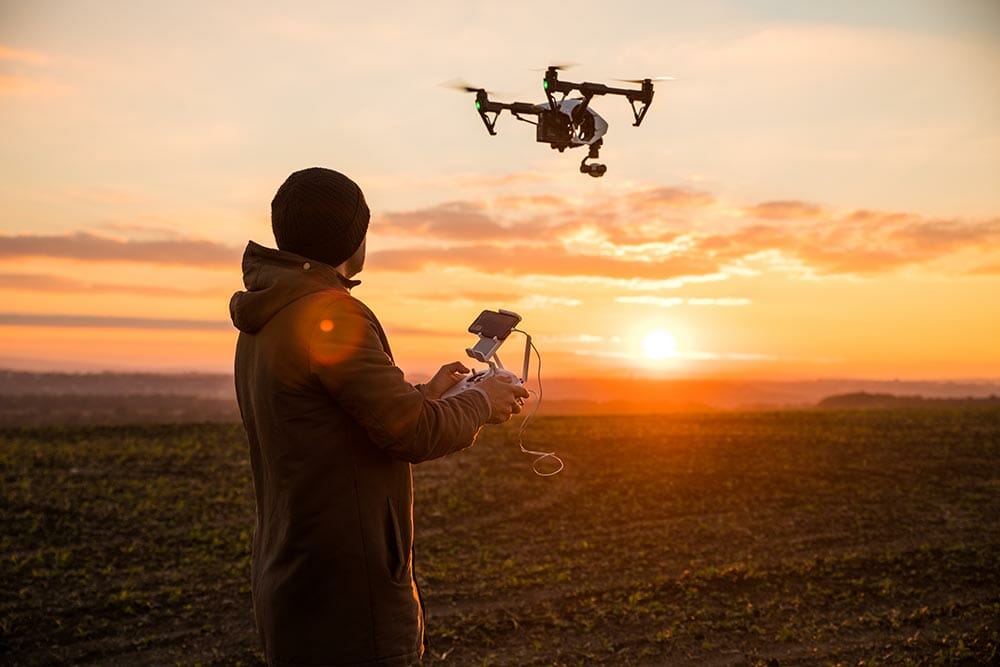
This article presents inspiring stories of drone pilots across the globe, delving into their experiences, insights gained, and the passion that drives them. From navigating the details of FAA Part 107 waivers for nocturnal flights and operations over individuals to perfecting the art of 3D mapping, these individuals represent the spirit of creativity in the drone community. Accompany us as we explore their paths, illuminating the tools and techniques that enable them to attain greater heights in both their practice and their knowledge of the atmosphere.
Guideline Guidance and Conformance
Navigating the compliance framework is essential for sUAS pilots, particularly when operating under the U.S. aviation authority rules. For business drone flights, grasping how to acquire Section 107 waivers is crucial, especially when it comes to night flying and conducting flights over people. These exemptions require pilots to exhibit risk management strategies and safety protocols to guarantee conformance. This adds a dimension of accountability to those seeking to broaden their operational capabilities beyond basic regulations.
Moreover important component of adherence involves operating in regulated airspace. Employing the Low Altitude Authorization and Notification Capability can considerably streamline the process of acquiring the essential clearances. Pilots must be well-versed in the specific documentation needed to successfully navigate this process, as up-to-date access to restricted zones plays a vital role in planning and conducting efficient drone operations in busy environments.
Moreover, drone pilots must also consider performance hurdles that can impact operations, such as magnetic interference affecting navigation systems and inertial measurement unit adjustments. Identifying how these elements can guide flight operations ensures that pilots maintain a clear grasp of their drones. This awareness is crucial not only for protection but also for meeting regulations with local regulations and establishing authenticity during reviews or assessments.
Analysis for Drone Operations
Understanding how to navigate FAA Part 107 waivers is essential for drone pilots seeking extend their operational abilities, especially for night flying and operations over people. Drone Pilots Inverness Inverness-shire require extensive documentation and must demonstrate a thorough understanding of safety guidelines. Pilots must create detailed safety assessments and operational plans that adhere to FAA standards, ensuring they can conduct flights without endangering public safety or aviation regulations.
When flying in controlled airspace, making use of the Low Altitude Authorization and Notification Capability (LAANC) system is necessary. This simplified process allows drone operators to receive real-time airspace authorization. To Drone Pilots Cawdor Inverness-shire , pilots must submit detailed documentation that includes the drone's operational parameters, safety features, and the intended flight plan. Gathering this information promptly helps ensure compliance and promotes safer flight operations.
Magnetic anomalies is another significant factor for drone pilots, particularly regarding compass and IMU calibrations. External magnetic fields can lead to inaccurate positioning data, causing navigation errors. Pilots should be mindful of sources of magnetic interference, such as power lines and large metal structures, and confirm proper calibration before each flight. This attention to detail is vital for maintaining flight precision, particularly in challenging environments where reliable data is paramount for effective operations.
Safety and Upkeep Guidelines
Guaranteeing the safety and dependability of drone operations is paramount for pilots everywhere. Routine maintenance checks are crucial for spotting potential issues before they grow into significant problems. This includes performing thorough inspections of the drone's body, blades, and electronic components. Staying current on firmware updates not only improves capabilities but also makes sure that any security vulnerabilities are managed. Operators should also maintain a thorough flight log, documenting all maintenance, inspections, and flights, which can be invaluable for commercial coverage audits.
Attention to environmental conditions is a further essential practice. High winds and reduced temperatures can considerably affect a drone's performance, causing shortened flight times and balance issues. Pilots must be highly aware of these conditions and adjust their flying timing and techniques accordingly. Additionally, comprehending how battery degradation impacts flight performance is vital; knowing when to retire battery packs ensures dependability during operations and reduces the risk of unexpected malfunctions mid-flight.
Lastly, comprehending the functionality of your drone's components, such as the variances between RTK and PPK GPS correction systems, is critical for precision tasks like surveying. Pilots should also acquaint themselves with acceptable cleaning techniques for delicate components, including camera sensors and gimbal bearings, to ensure optimal performance. Adopting these guidelines not only improves safety but also enhances the overall standard of drone flights, ultimately benefiting both the pilot and their customers.